One of the first things that changes the impression of your face as you age is the jawline. As the cheeks and skin gradually lose support and begin to sag, the overall facial contour softens, and you may find yourself becoming more conscious of certain angles in photos. Thread lifting is a procedure that has drawn attention as a way to address this kind of sagging without incisions.
In this article, we'll walk through how thread lifting works, who it may suit, how to prepare before the procedure and care for your skin afterward, and answer some frequently asked questions.
That said, the type and number of threads used, along with the insertion direction, vary depending on individual skin condition and degree of sagging, and results can differ from person to person. A consultation with a specialist is the best way to determine what's right for you.
About Thread Lifting
How the procedure works
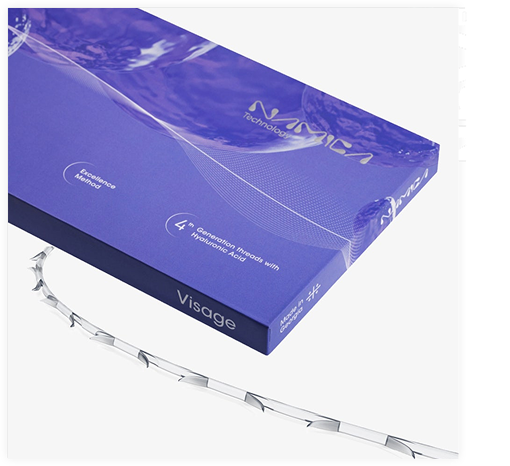
Thread lifting involves inserting fine threads with tiny cogs or barbs beneath the skin to physically support and lift sagging tissue. Because it's performed through small entry points using a thin cannula rather than an incision, there is generally less concern about visible scarring, and the threads may also help stimulate collagen production as they settle into the tissue.
Why Now
Why interest has grown recently
As more people prioritize a quick return to daily life and work, demand has grown for procedures with shorter downtime. Thread lifting is often considered as a first step before deciding on surgical lifting, or as a maintenance option for those who have already had a surgical lift.
Good Candidates
Who might consider a consultation
- Those noticing early sagging along the jawline and cheeks, but not yet ready for surgical lifting
- Those who prefer a non-incision approach due to concerns about scarring or a long recovery period
- Those seeking a natural change without an overly pulled appearance
- Those who need maintenance care after a previous lifting procedure
Before Care
How to prepare before your procedure
About a week before the procedure, let your provider know about any medications or supplements, such as aspirin, that may affect blood clotting. Avoid alcohol the day before, and if you have any skin wounds or inflammation, it's safer to reschedule. Be sure to share your history of previous thread lifts or filler treatments, as well as any allergies, during your consultation.
Procedure
What to expect during the procedure
- Consultation & Design
Your provider assesses the degree of sagging and skin condition to plan the number of threads and insertion directions.
- Anesthesia
Local anesthesia is applied to minimize discomfort.
- Thread Insertion
Threads are inserted along the planned directions using a fine cannula.
- Tension Adjustment & Finishing
Tension is adjusted according to the degree of sagging, and the thread ends are finished.
After Care
Aftercare guidelines
- Some swelling and bruising may occur in the first 1–2 days; cold compresses can help.
- Avoid vigorous facial massage or pressure on the face for 1–2 weeks.
- Avoid hard or chewy foods until the threads have settled.
- Avoid saunas or other high-heat environments for a while.
- Keep your follow-up appointments to monitor progress.
Clinic Checklist
Good things to check before your consultation
What to ask during your consultation
- The type of thread used and how long it typically lasts
- The number of threads and treatment area suited to your degree of sagging
- Precautions during recovery and your follow-up schedule
Results and how long they last can vary depending on skin elasticity, age, and lifestyle. A thorough consultation with a specialist is the best way to find the approach that suits you.
Common Questions
Frequently asked questions
- How long does the procedure take?
- It varies depending on the treatment area and number of threads, but typically takes around 30 minutes to an hour.
- When can I return to daily activities?
- This varies by individual, but light activity is often possible after 2–3 days once initial swelling subsides. Please check with your provider based on your recovery.
- Can this be combined with surgical lifting?
- Depending on your condition, combined or sequential treatment may be considered — this is determined individually during a consultation.